

CSR (Corporate Social Responsibility) refers to the awareness that companies have of their impact on both society and the environment. In order to practice good CSR, companies must in turn take responsibility of these impacts and find ways to minimise them and give back to society.
At Java Republic, giving back to people and communities has always been top of our agenda. The production of coffee from crop to cup involves many people from across the world, from the farmers right down to the baristas who serve the coffee. Doing what we can to support people at each step of the process is vitally important to us.
Not only do we aim to support coffee communities at origin, but we also strive to provide support locally in Ireland, where our coffee beans are roasted and distributed. In order to achieve this, throughout the years we have partnered with a number of organisations and are very proud of our work with them.
Some of our current local CSR partnerships include:
Field of Dreams
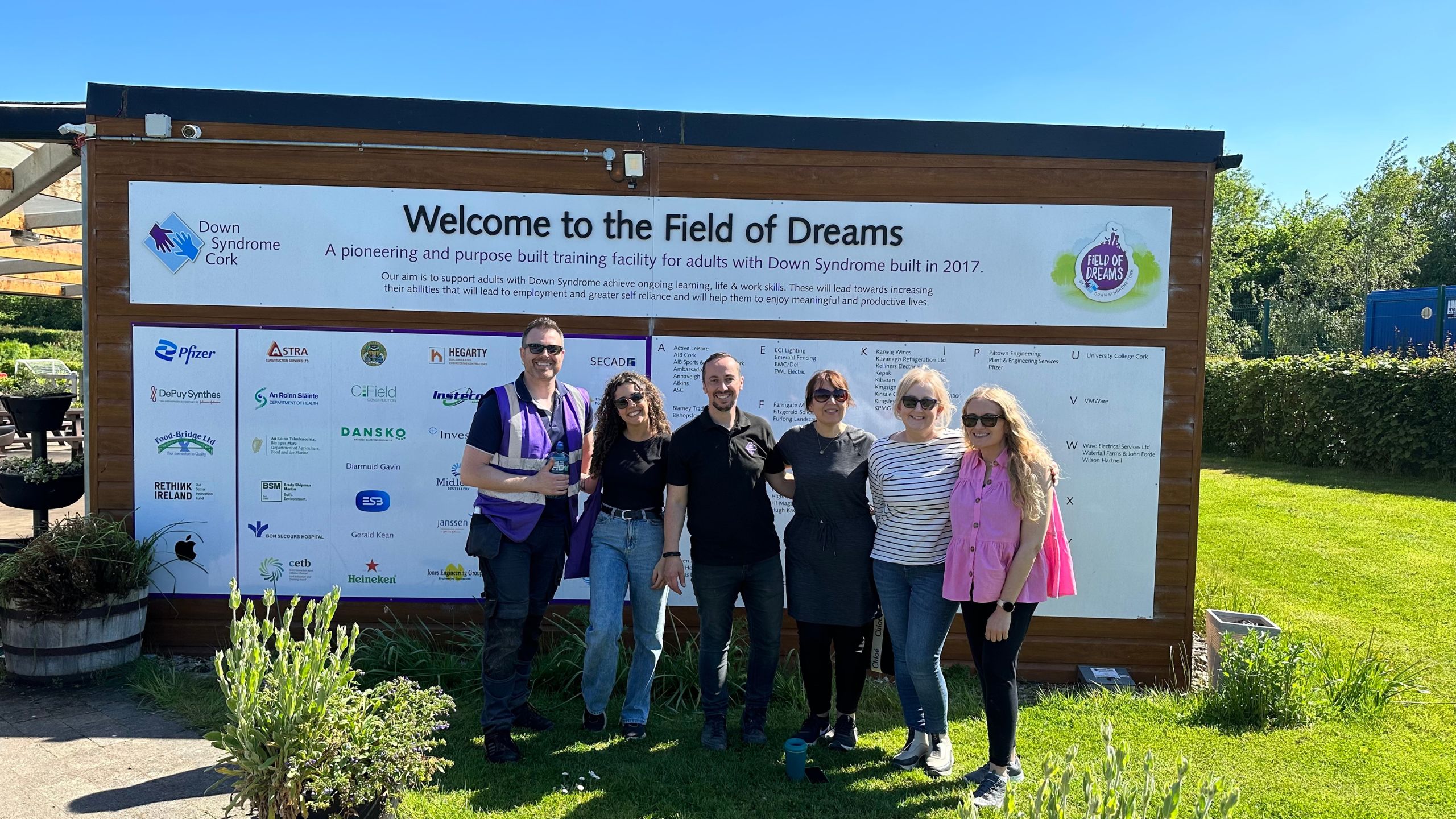
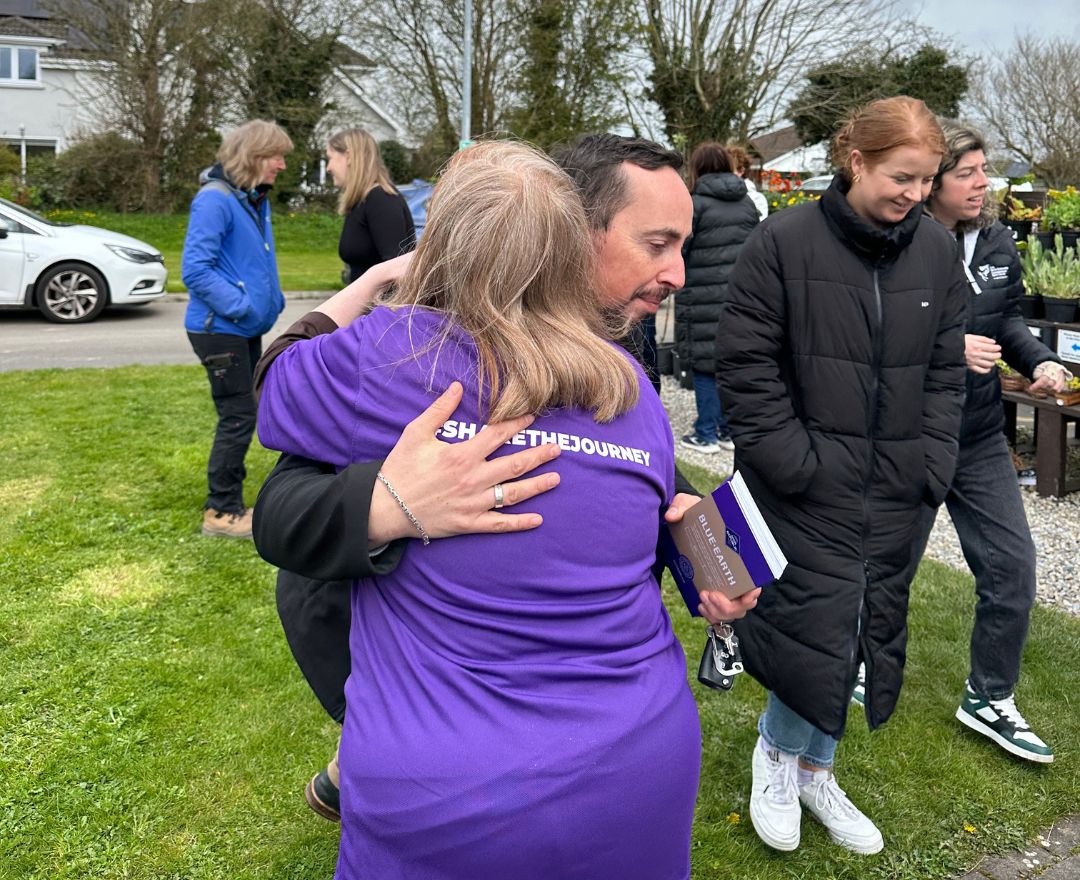
Established in 2017, Field of Dreams is a branch of Down Syndrome Cork which aims to meet the ongoing learning needs of adults with Down Syndrome across Cork City and County. Through our team based in the South-West of Ireland, we have partnered with Field of Dreams since early 2023. Throughout this time, we have been proud to not only provide ongoing donations of coffee, tea and hot chocolate, but also to engage in barista training sessions with the young people at Field of Dreams as part of their Ready2Work programme.
In addition to the above, we have supported Field of Dreams in a number of key events/activations, including their annual Pick-A-Pumpkin Festival and their upcoming Saddle Up for Down Syndrome fundraising cycle, as well as team volunteering days at their 3-acre gardens.
Check out more of the work that Field of Dreams does here: About Field of Dreams.
Focus Ireland
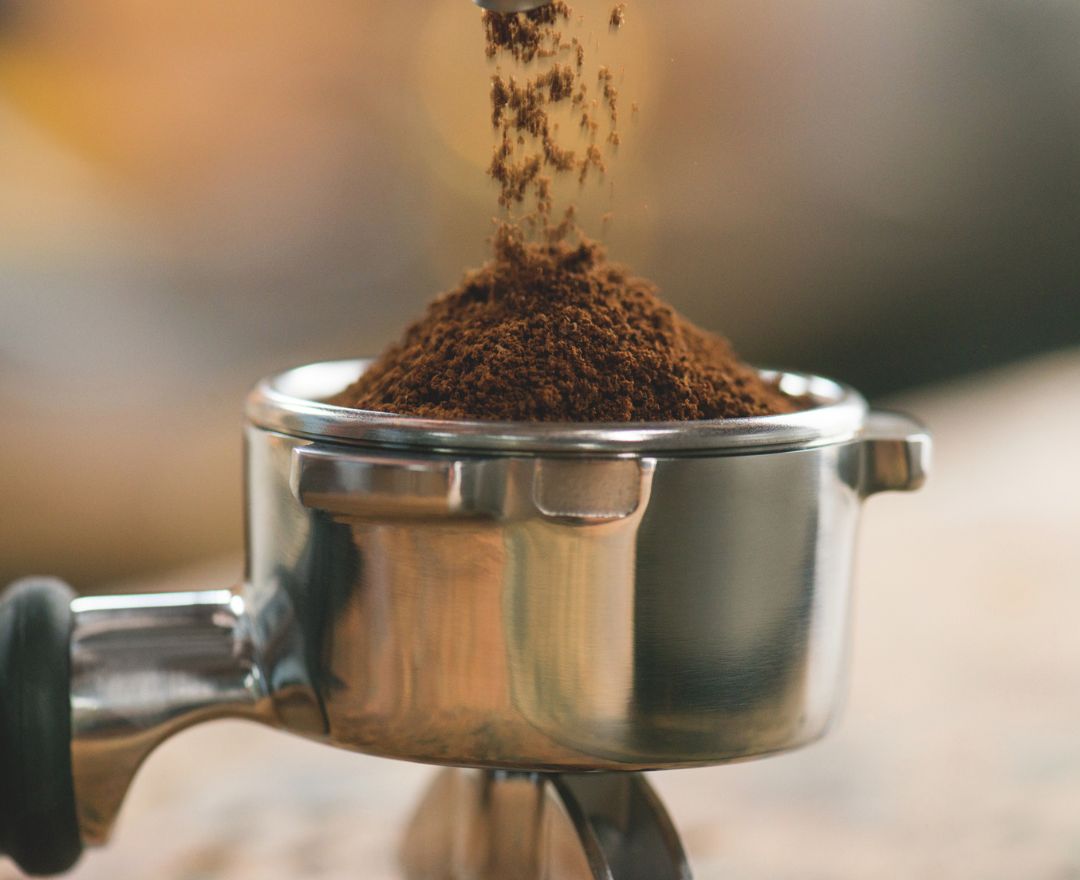
Part of our quality procedures at Java Republic includes conducting Agtron Tests, which is a method of determining roast consistency. Conducting these tests results in the production of coffee grounds as a bi-product.
Last year we entered into a partnership with Focus Ireland, whereby we deliver all of this ground coffee to their Dublin base every month. We also donated coffee equipment to the charity.
Founded in 1985, Focus Ireland provides support to homeless women and their families throughout Ireland. Our monthly donation of ground coffee is used in The Coffee Shop, a service that provides nutritional, good quality and affordable food and drink in a safe environment to those experiencing homelessness.
Going forward in 2024 and beyond, we have plans to further develop our relationship with Focus Ireland through a barista training programme, providing new coffee equipment at The Coffee Shop, and engaging in their Shine A Light campaign.
Check out more of the work that the Focus Ireland Coffee Shop does here: About Focus Ireland Coffee Shop
Oberstown Children Detention Campus
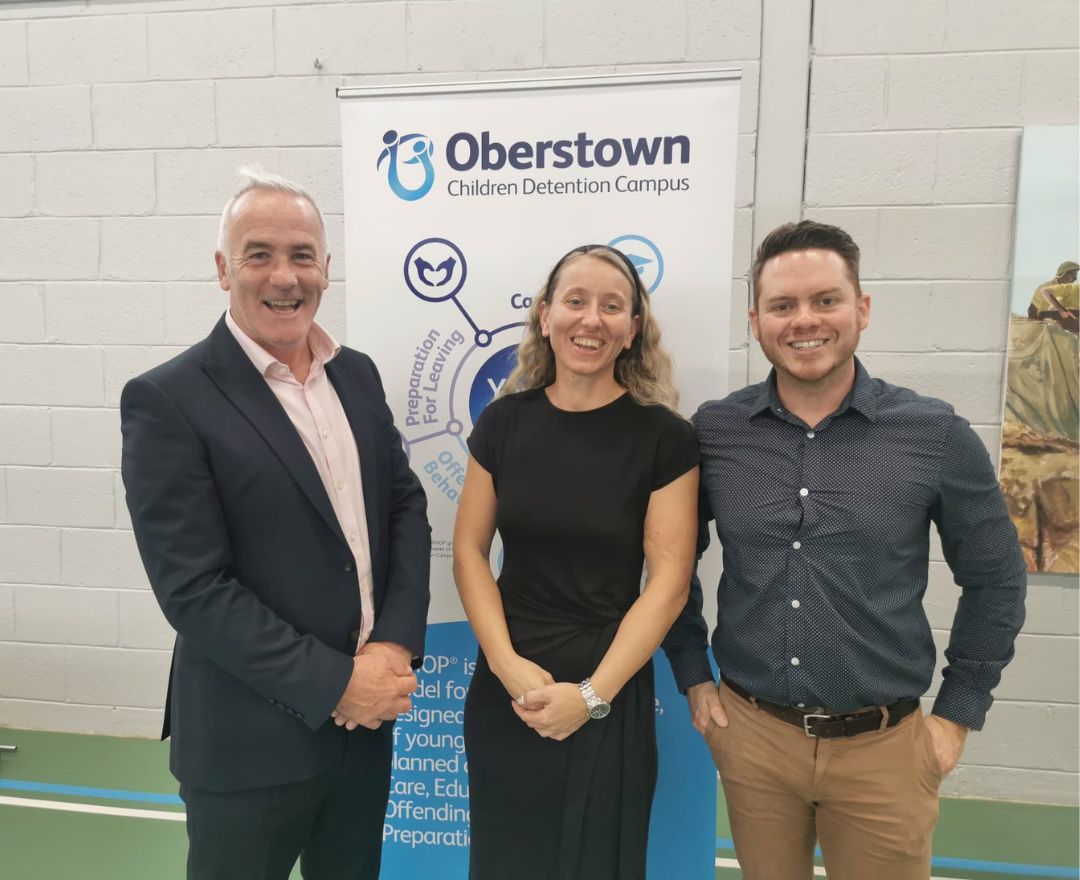
As Ireland’s only children’s detention centre, Oberstown provides a safe and secure environment for children who are placed in the campus by the Children’s Court. Through a number of programmes, Oberstown aims to build young people’s responsibilities and address the factors associated with their offending behaviour, with the goal of rehabilitating them before they return home.
Our partnership with Oberstown started in 2019. The Java Republic programme was a pioneering initiative for the campus, which is always seeking to expand its educational offering for young people, from traditional methods of learning to practical and skills-based training.
The coffee education programme from Java Republic saw the set-up of a mini café area in the Home Economics room. The programme enables young people in Oberstown to meet the market requirements for new baristas. It is designed to give young people information about the coffee industry and have enough confidence to go through a potential trial in a cafe.
Find out more about our Oberstown Partnership here: Java Republic & Oberstown.
Additional Local CSR Initiatives
In addition to the above ongoing partnerships, we are always looking for opportunities to engage with local organisations and/or charities. In recent years we have supported Aoibhneas Women’s Charity and Pieta House, as well as a number of smaller local events such as school and community fundraisers.

You must be logged in to post a comment.